
Phê Vé
June 19, 2026 • 3 min read
Explore the unique culinary experiences at Mil in the Sacred Valley of Peru, where culture and nature intertwine through traditional cuisine.
Your First Experience at Kollparay
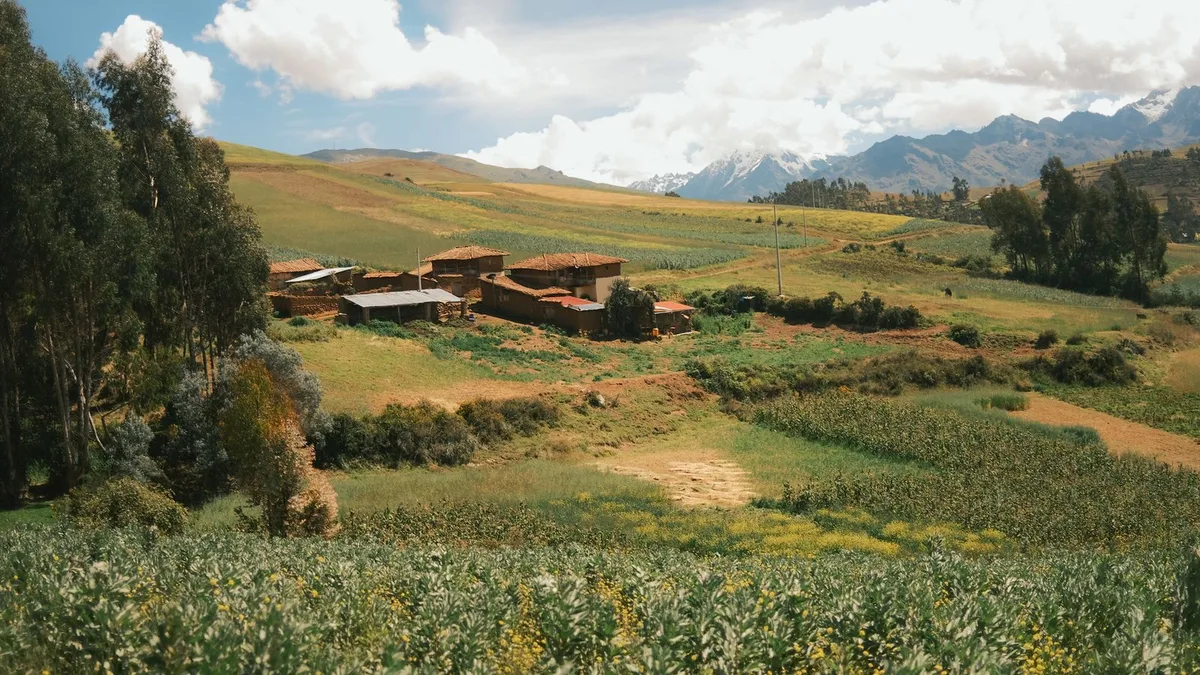
As I began my journey to the Sacred Valley of the Incas, I met Norma Quispe Juarez at the entrance of Kollparay, a small community with just five families. Situated at an altitude of 3,500 feet and surrounded by majestic mountains, which locals refer to as apus—a Quechua term meaning 'lord' or 'spirit'—the area is breathtaking. Some peaks still bear snow, although most have melted away during the dry season. The climate here is becoming increasingly unpredictable due to climate change.
The Significance of the Land
Norma welcomed me into Kollparay, and before we began, she took a bit of soil from the village and rubbed it on my hands, saying, "The land needs to know who is walking on it so you can move freely." This gesture reflects the warm hospitality of the locals who honor and live in harmony with nature. The traditional knowledge here is known as ayni, meaning "today I do for you, tomorrow you do for me."
Breakfast with Doña Conchi
We continued to the home of Doña Conchi, a highly respected 89-year-old woman in the community. She lives alone, but her children often visit and bring lunch. Our breakfast consisted of sankhu, a type of bread made from roasted corn, and emoliente, a herbal tea famous for its detoxifying properties.
Doña Conchi shared that each family has their own recipe for sankhu, and hers is sweet, neither dry nor too moist. As Quispe translated Conchi's words, she mentioned that her daily life now includes hosting guests like us.
The Value of Qollqa
When asked about qollqas, the Incas' granaries, Conchi admitted she hadn’t heard of them until recently. Mil has recently begun constructing a new granary about a 10-minute walk from her home. She hopes these qollqas will bring many benefits to her community.
✈️ Tìm chuyến bay giá tốt
Đặt vé ngay với giá ưu đãi từ các hãng hàng không
The Importance of Ancient Knowledge
The Incas built various systems, from irrigation to road networks and qollqa granaries, to help preserve food. However, when the Spanish arrived in the 16th century, they destroyed most of these systems and rewrote history. Qollqa granaries gradually became obsolete in Peru, but they could offer solutions to the modern challenges we face today.
Helpful Information for Vietnamese Travelers
If you're planning a trip to Peru, it's important to note that a visa is a mandatory requirement for Vietnamese citizens. You can apply for a visa at the Peruvian Embassy in Hanoi. Round-trip airfare from Vietnam to Lima typically ranges from 18 to 25 million VND, depending on when you book. The ideal time to travel to Peru is from May to October, when the weather is dry and pleasant for outdoor activities.
And if you get the chance to visit the Sacred Valley, experiencing the culinary delights at Mil is a must. It's not just a meal; it's an opportunity to delve deeper into the culture and traditions of the local people.
Conclusion
Ancient traditions can continue to thrive over time, and the experience at Mil not only offers delicious food but also serves as a bridge between the past and the present, between culture and nature. Discovering these values will give you deeper insights into the lives and culture of the people in the Sacred Valley.
This article is referenced and edited from: Condé Nast Traveler
Phê Vé
Phê Vé is a leading online flight booking platform in Vietnam, providing accurate and up-to-date travel information. We are committed to delivering wonderful travel experiences with the best prices on the market.